

Aerosol valves are precision-engineered dispensing components fitted to the standard 1-inch opening of aerosol cans. They play a critical role in controlling the release, spray pattern, dosage, and consistency of the product while maintaining the internal pressure and protecting the formulation throughout its shelf life.
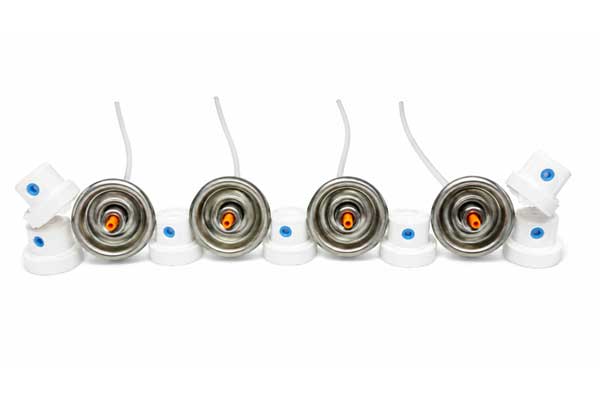
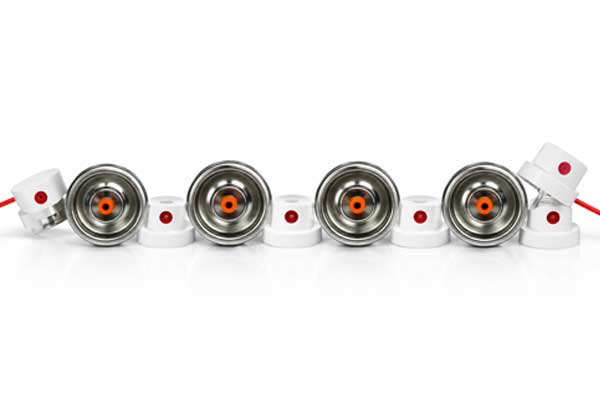
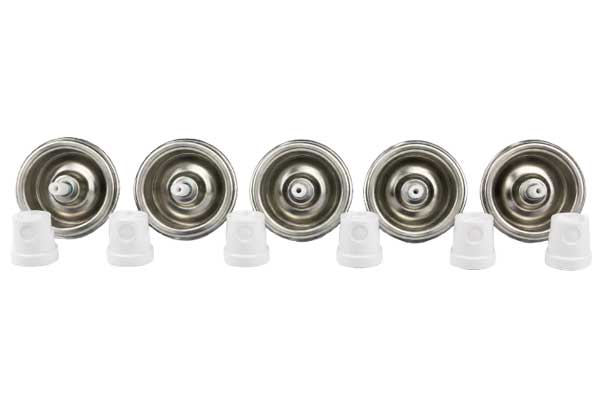
A typical aerosol valve assembly consists of a mounting cup, outer gasket, valve stem, internal stem gasket, spring, dosage chamber, housing, and housing tail. Each component is manufactured and assembled to provide reliable sealing, smooth actuation, and controlled product discharge.
The valve stem, stem orifice, gasket configuration, and internal passage geometry can be customized according to the product formulation and required spray characteristics. Depending on the application, aerosol valves can deliver a fine mist, coarse spray, fan spray, foam, gel, or continuous stream.
Correct valve selection is essential for preventing common aerosol performance issues such as clogging, inconsistent spray patterns, leakage, gasket deterioration, and propellant loss. Valve configurations can be selected according to product viscosity, chemical compatibility, propellant system, filling method, pressure requirements, and desired dispensing performance.
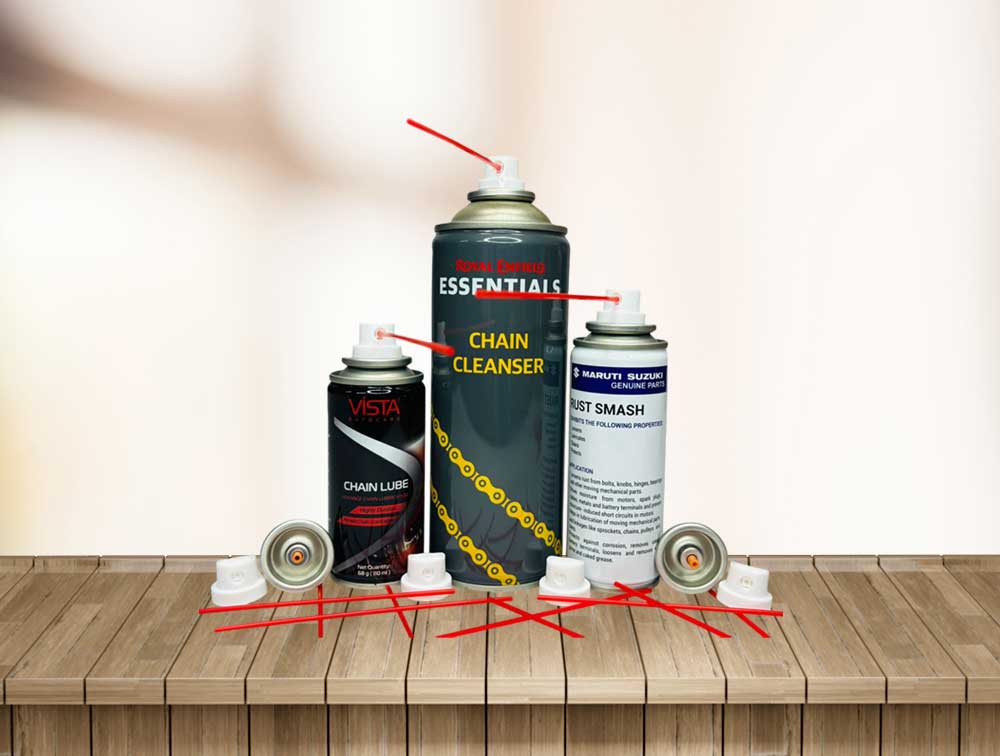

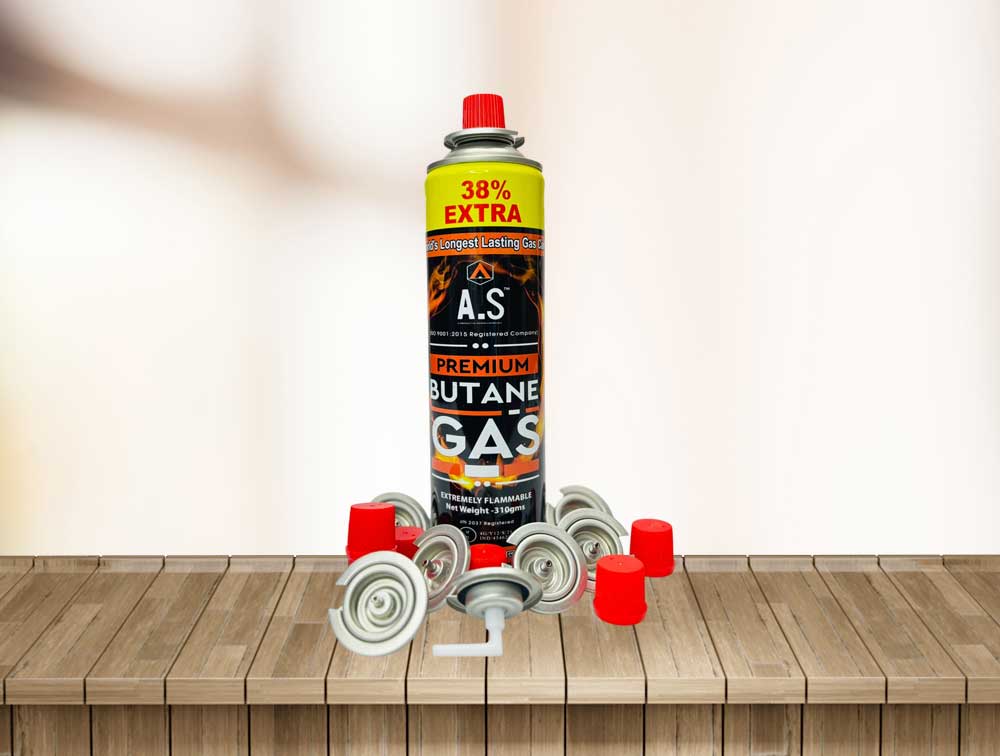
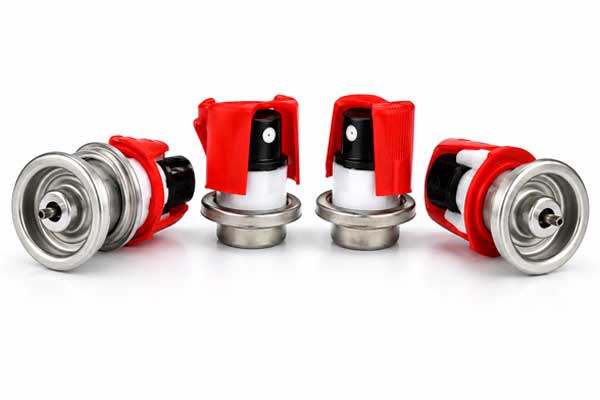
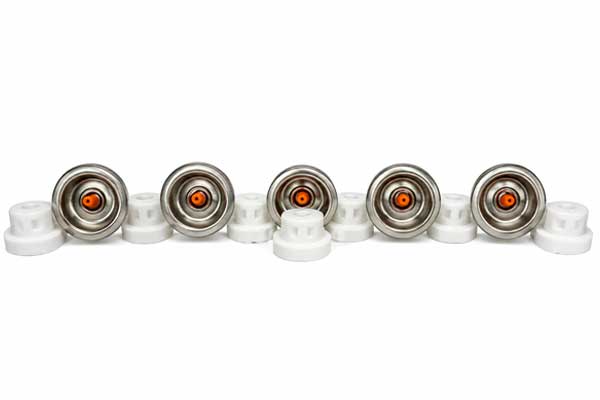








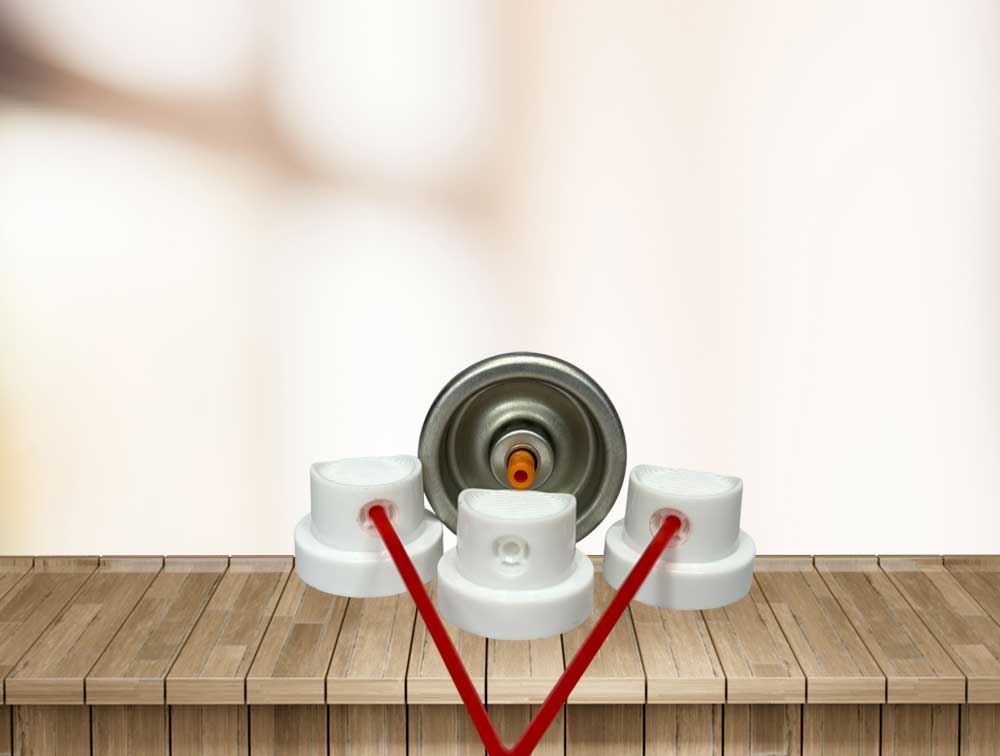
Air fresheners and room fresheners
Insecticides and pest-control products
Spray paints and industrial coatings
Lubricants and penetrating oils
Shaving foams and personal-care products
Butane gas refills
Automotive and maintenance sprays
Pharmaceutical and healthcare aerosols
Cleaning and household products
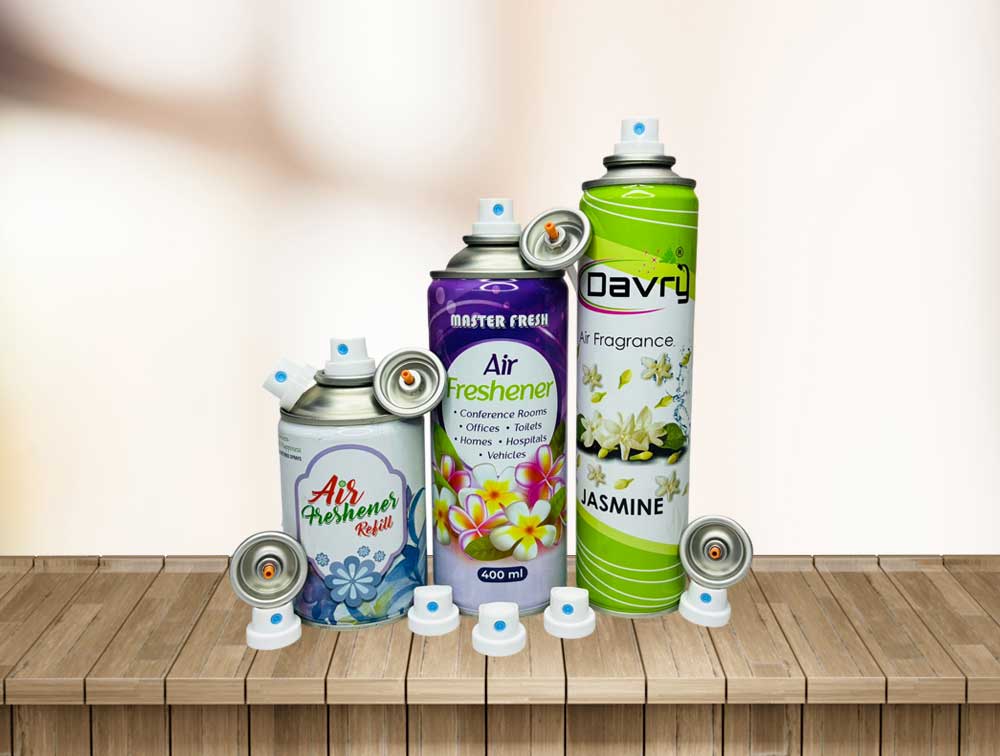
Different products require different valve configurations. Spray paints may require valves designed for a controlled fan pattern and consistent atomization, while butane refill products require specialized valve and stem configurations designed for secure transfer and sealing.
Foam products, such as shaving foam, can use valve and actuator combinations designed to support controlled expansion and rich foam formation.

Sterling Enterprises
Gut no 189, Dheku Village, Sajgaon Road,
Khopoli - 410203, Tal.- Khalapur,
Dist.- Raigad, (MH)